Digital books on music. Series 1
Home > Publications > Digital books on music. Series 1
This collection brings together the works now designated as Series 1, a body of books developed gradually since 2012. First issued through Wayrachaki Editora, they underwent multiple revisions and re-editions over the years before being consolidated and republished as archival editions by El Zorro de Abajo Editora in 2025. These texts belong to an earlier phase of work, grounded primarily in bibliographic research and organological synthesis, and they are preserved here as a coherent and unified corpus.
From 2026 onward, a new cycle begins. Series 2, also published by El Zorro de Abajo Editora, moves into a different register — one that approaches musical instruments through layered, narrative, and ecologically grounded forms of inquiry.
These documents are distributed for free reading, following Instrumentarium's copyright policies.
01. Yanawan yuraqwan. Andean musical instruments in black and white
Photo album with 15 black and white images accompanied by brief descriptions, introducing some of the most interesting traditional Andean musical instruments: quenas, pusi p'ias, sikus, toyos, rondadores, ocarinas, charangos, pingullos, pinkillos, waka pinkillos, waylla qhepas and wank'aras.
[Read].
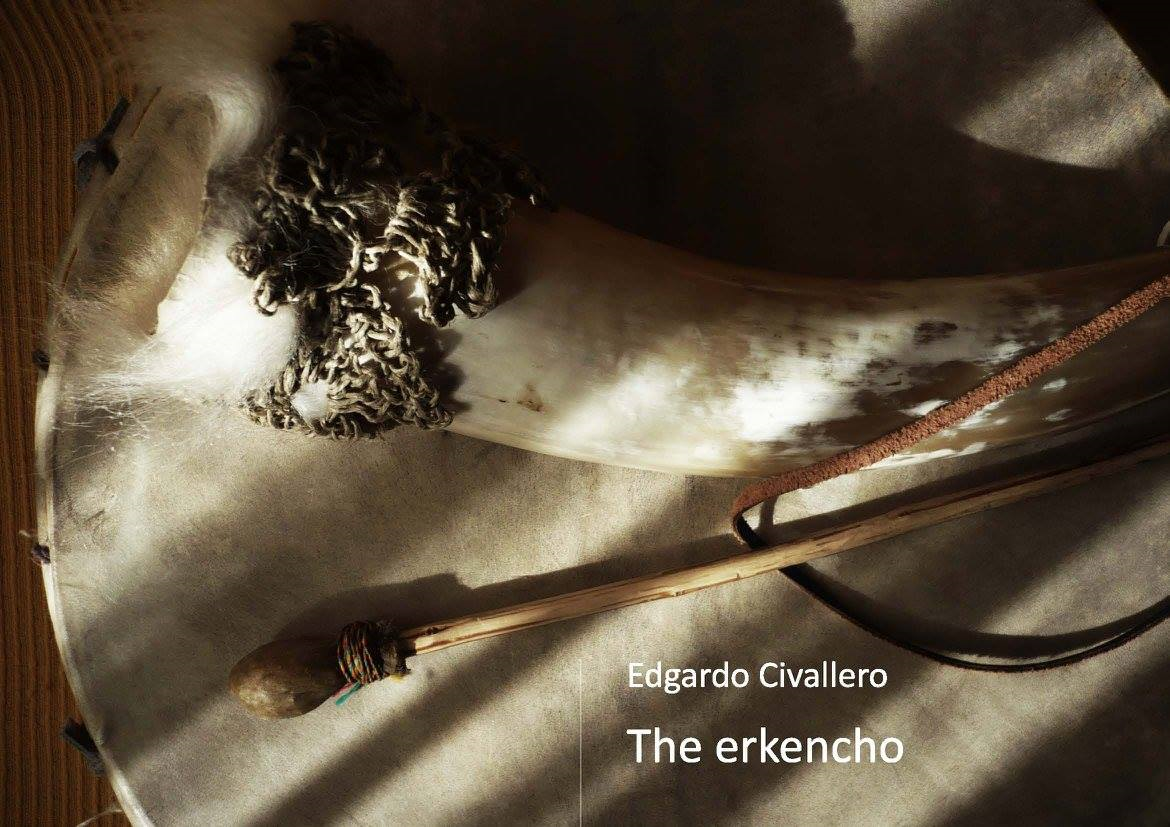
02. The erkencho
A brief guide introducing the reader to the structure, context and use of a particular idioglottal clarinet (erkencho, erquencho, erke, erque, irqi) played in southern Bolivia and northwestern Argentina, composed of a bell and a small reed body with a single vibrating tongue, and which retains in its notes an ancient, traditional Andean repertoire with pre-Hispanic roots, always accompanied by the drum called caja.
[Read].
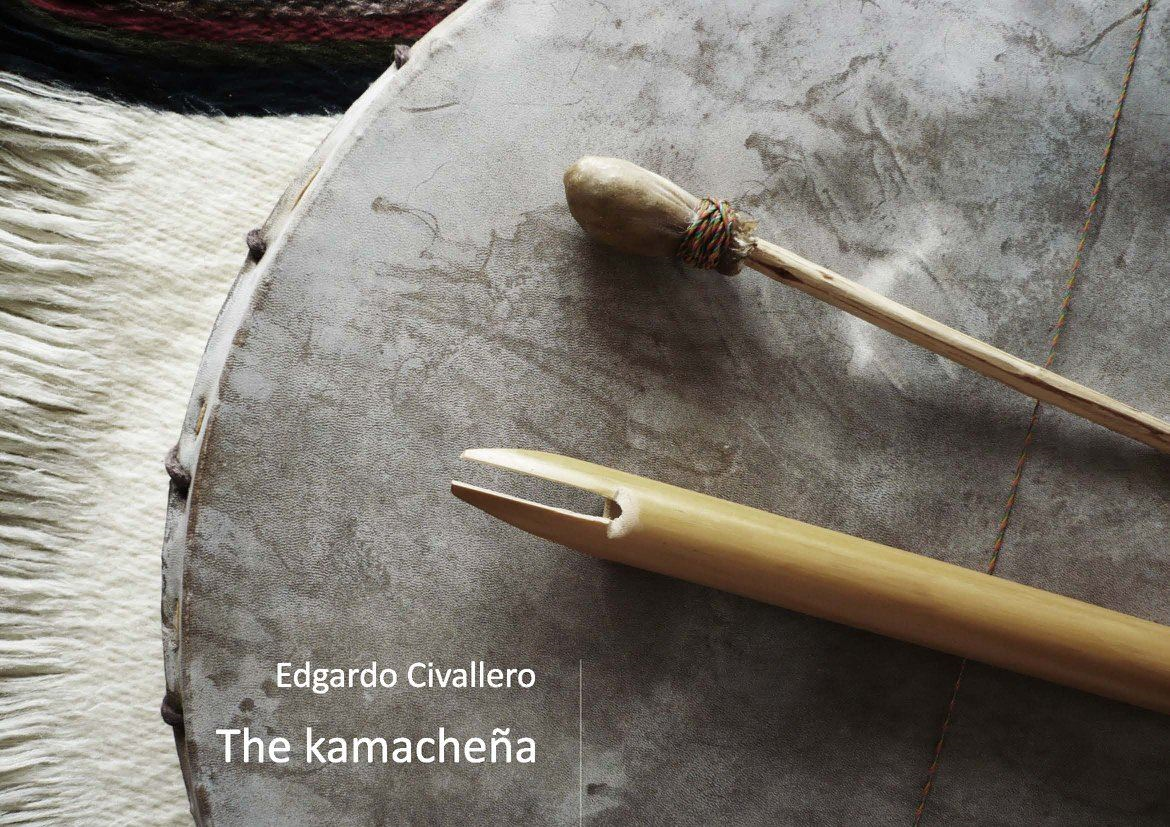
03. The kamacheña
A brief guide introducing the reader to the location, structure and use of a little-known Andean aerophone (quenilla, flauta de Pascua, flautilla, quena, flautilla jujeña) performed in southern Bolivia (department of Tarija) and northwestern Argentina (provinces of Salta and Jujuy): a flute played with one hand alongside the vibrant accompaniment of the drum caja, which is used for keeping alive very ancient repertoires.
[Read].
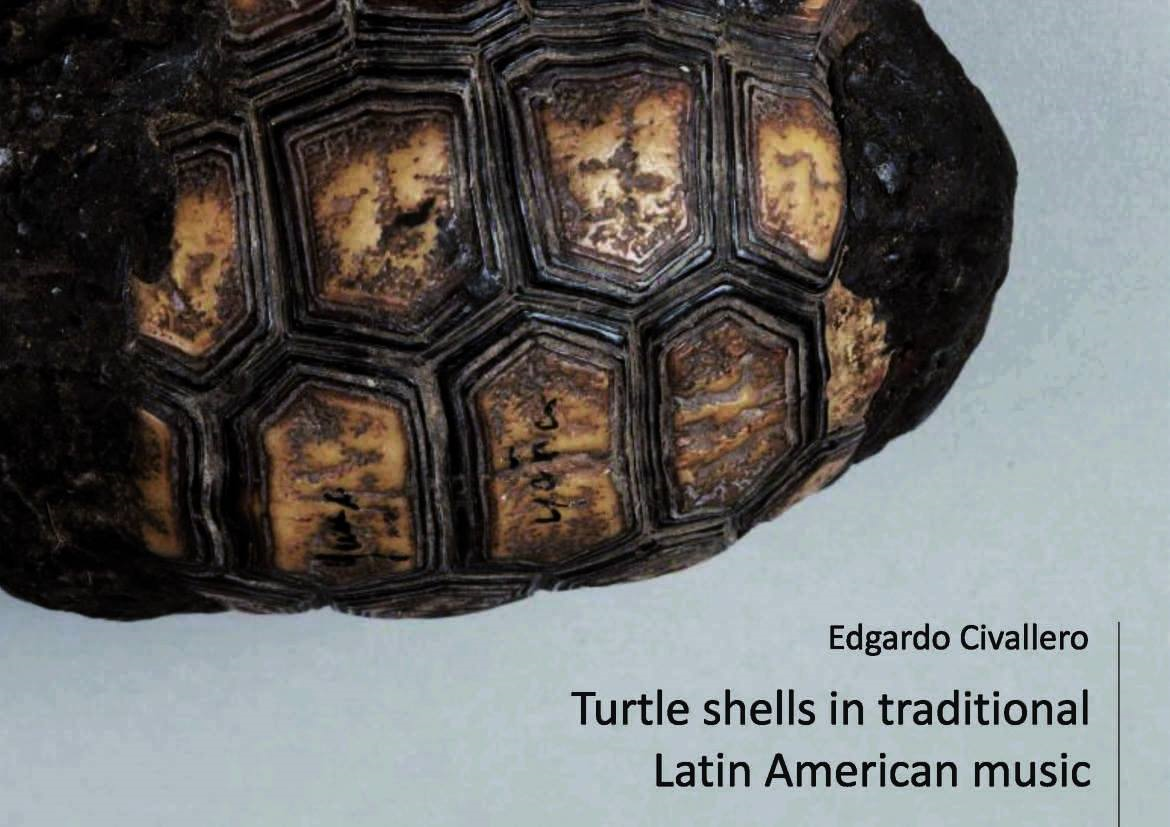
04. Turtle shells in traditional Latin American music
A short introduction to a world of shaken and rubbed shells, from the forests of southern Chaco to the mountains of Central Mexico, including the Amazonia, the Orinoquia, the Caribbean coasts, and covering a wide range of cultures and music.
[Read].
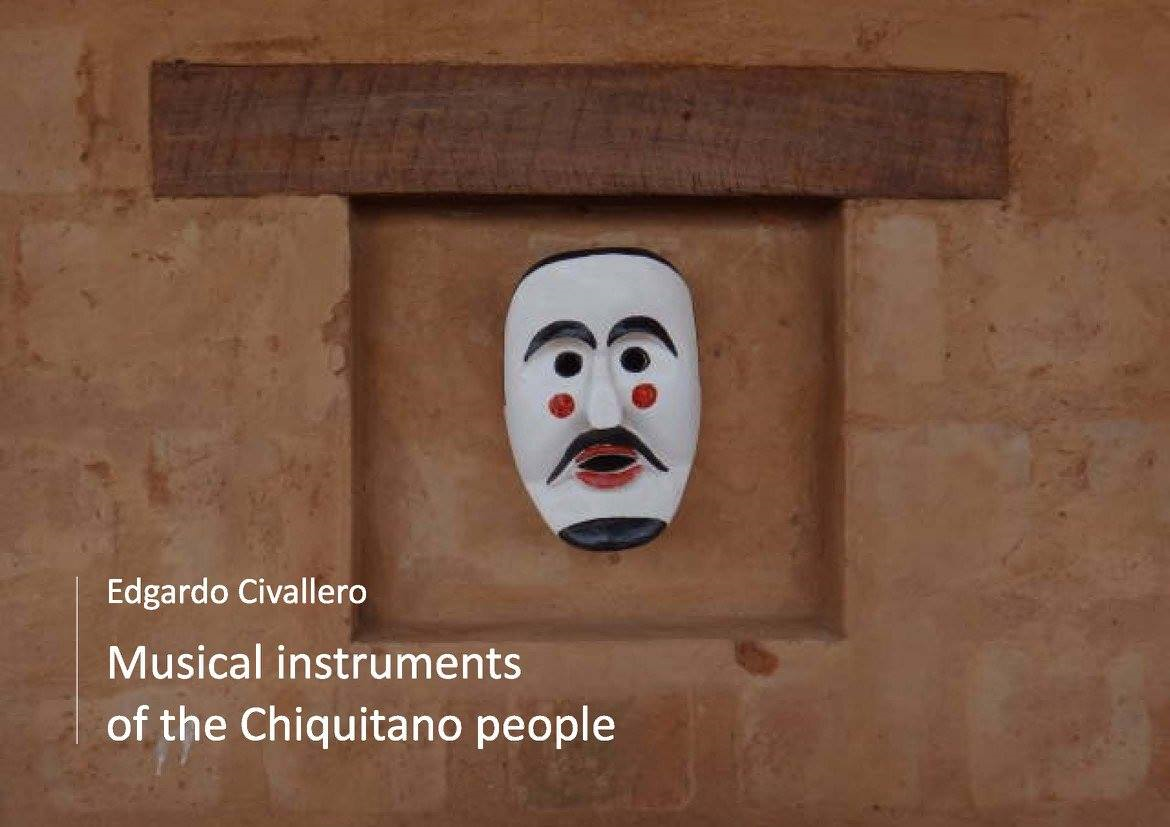
05. Musical instruments of the Chiquitano people
A brief guide to the flutes and drums of a society native to the Bolivian lowlands: the Chiquitano. Known for being the heirs of the Jesuits' Baroque musical tradition, they also maintain a music of their own, still performed by small ensembles in each village.
[Read].
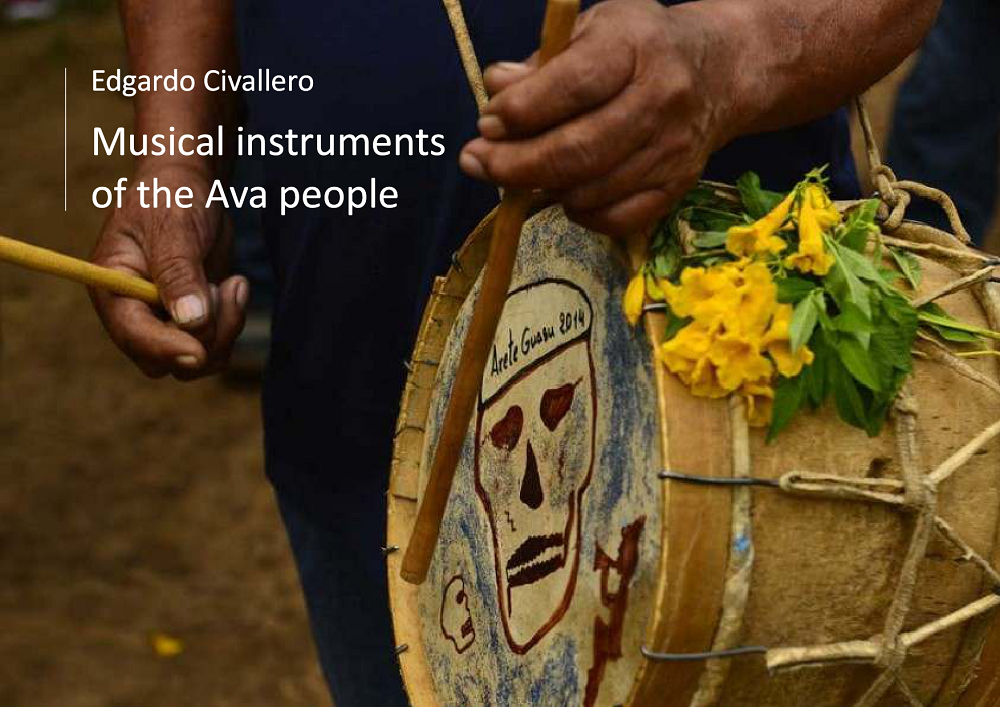
06. Musical instruments of the Ava people
A brief guide to the drums, flutes, whistles, trumpets, and bowed strings of the Ava (Chiriguano) people of Bolivia, Argentina, and Paraguay. Combining Guarani, Arawak, Andean, and missionary influences, these instruments accompany rituals, dances, Carnival celebrations, Easter music, and intimate forms of expression, preserving a rich and complex musical heritage across the South American lowlands.
[Read].
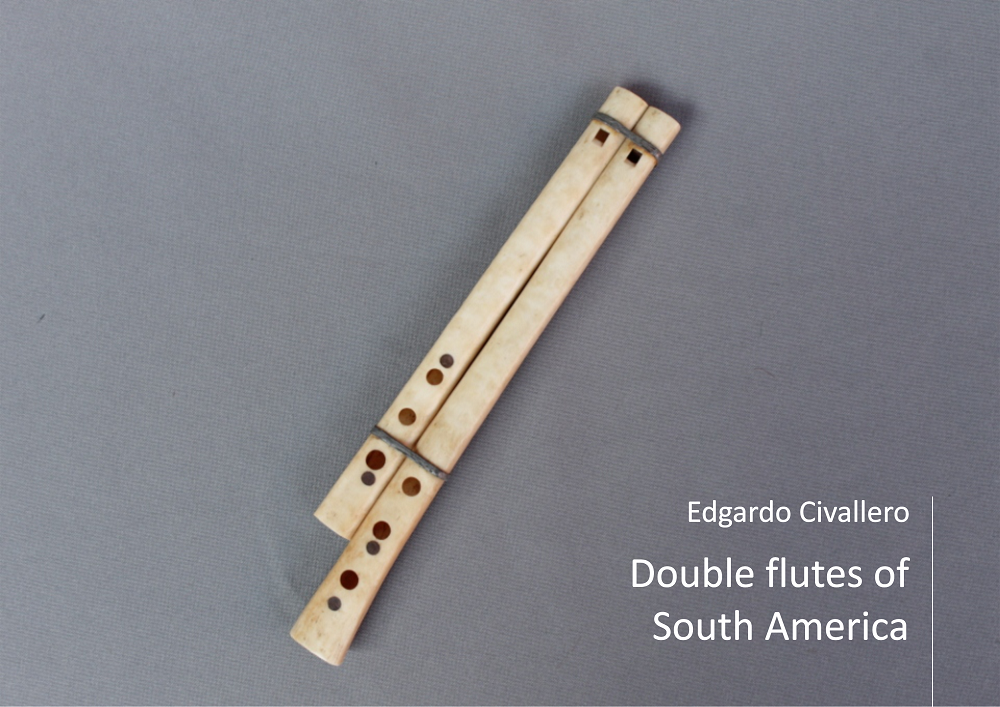
07. Double flutes of South America
A brief guide to the double flutes of South America: rare aerophones formed by two sounding tubes played through a single breath. From Ecuadorian dulzainas and Peruvian gaitas to Aymara uña pinkillos, Amazonian ritual flutes, and Chaco double whistles, these instruments reveal a scattered but persistent history of sonic duplication, ritual resonance, and shared breath across Indigenous and rural traditions of the continent.
[Read].
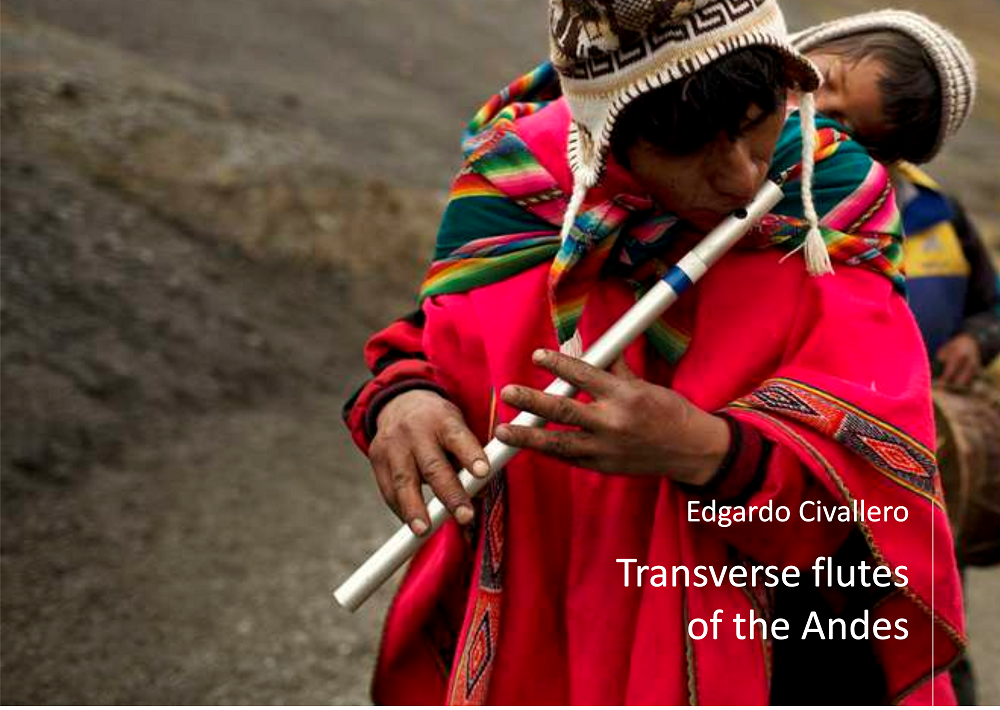
08. Transverse flutes of the Andes
A brief guide to the transverse flutes of the Andes: lateral aerophones found from Patagonia to Colombia, shaped by Indigenous, rural, and mestizo traditions. From Mapuche pingkullwe and Bolivian phalahuatas to Peruvian pífanos, Ecuadorian gaitas, and Colombian chirimías, these instruments trace a long history of ritual breath, paired melodies, agricultural soundscapes, and local resistance across the Andean mountain range.
[Read].
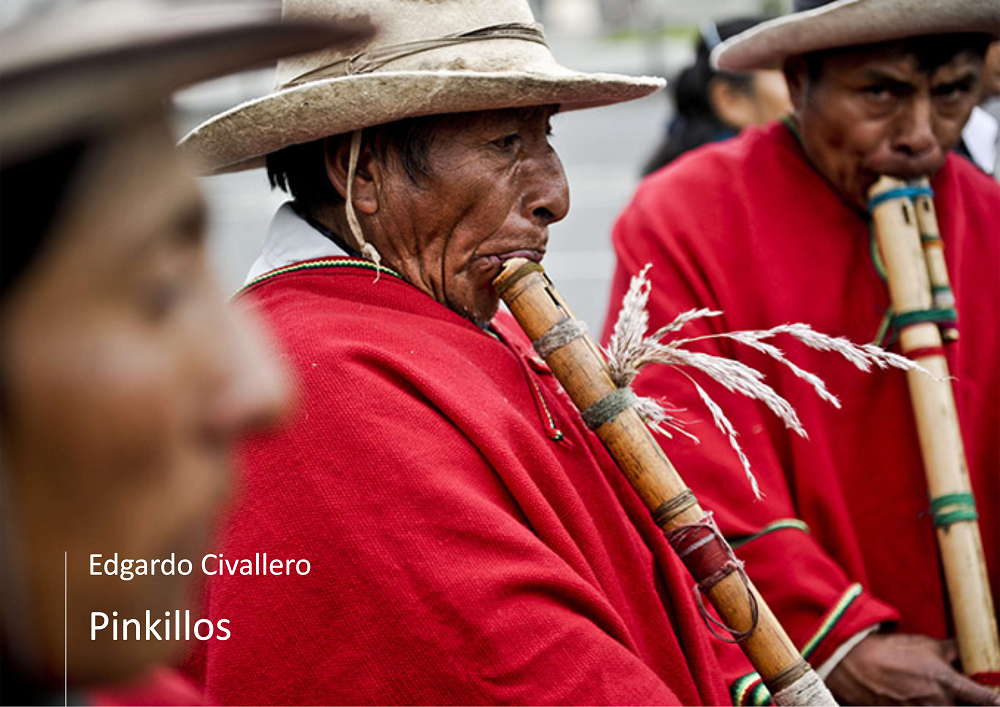
09. Pinkillos: An initial approach
This book presents a detailed study of the pinkillo, one of the most significant duct flutes of the Andean world. Through an ethno-organological approach, it examines the instrument's forms, materials, names, performance contexts, and ritual meanings, following its presence from Ecuador to northern Chile and northwestern Argentina. More than a technical survey, the book understands the pinkillo as a living sound artifact: a flute through which communities continue to shape relationships between music, seasonality, memory, landscape, and the sacred.
[Read].
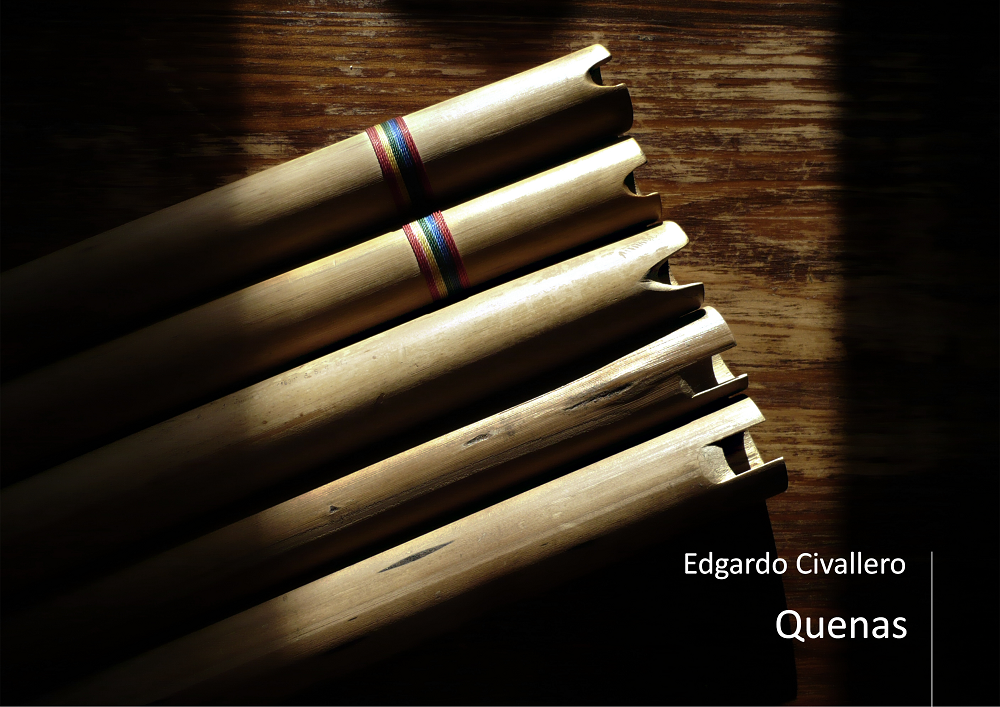
10. Quenas: An initial approach
This book offers a comprehensive study of the quena, one of the most enduring and expressive flutes of the Andean world. Combining organological, historical, archaeological, and ethnographic perspectives, it follows the instrument from its pre-Hispanic origins to its traditional and contemporary forms. Through its materials, tunings, techniques, names, and ritual contexts, the quena emerges not merely as a musical instrument, but as a technology of breath, memory, and landscape: a sound artifact through which Andean communities have shaped relationships between body, territory, seasonality, and the sacred.
[Read].
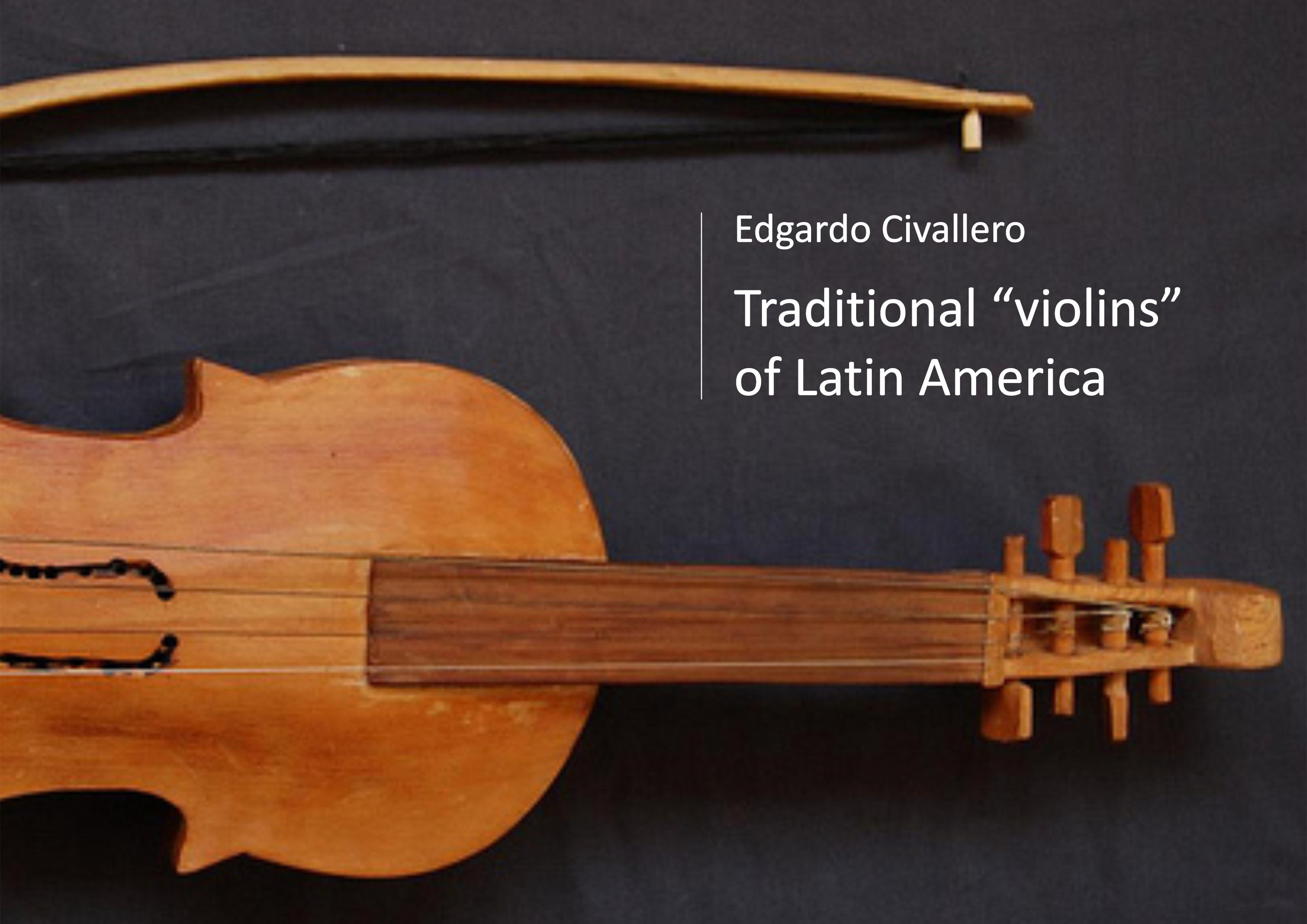
11. Traditional "violins" in Latin America. Part II: Chile and Bolivia
An introduction to the world of traditional bowed string instruments in Latin America. This second part includes the violin and the rabel used in traditional Chilean music, the various violins played in the lowlands of eastern Bolivia (including those of the Guarayo, Mosetén, Chiquitano, and Mojeño peoples), and the violins of the Bolivian Andes.
[Read].
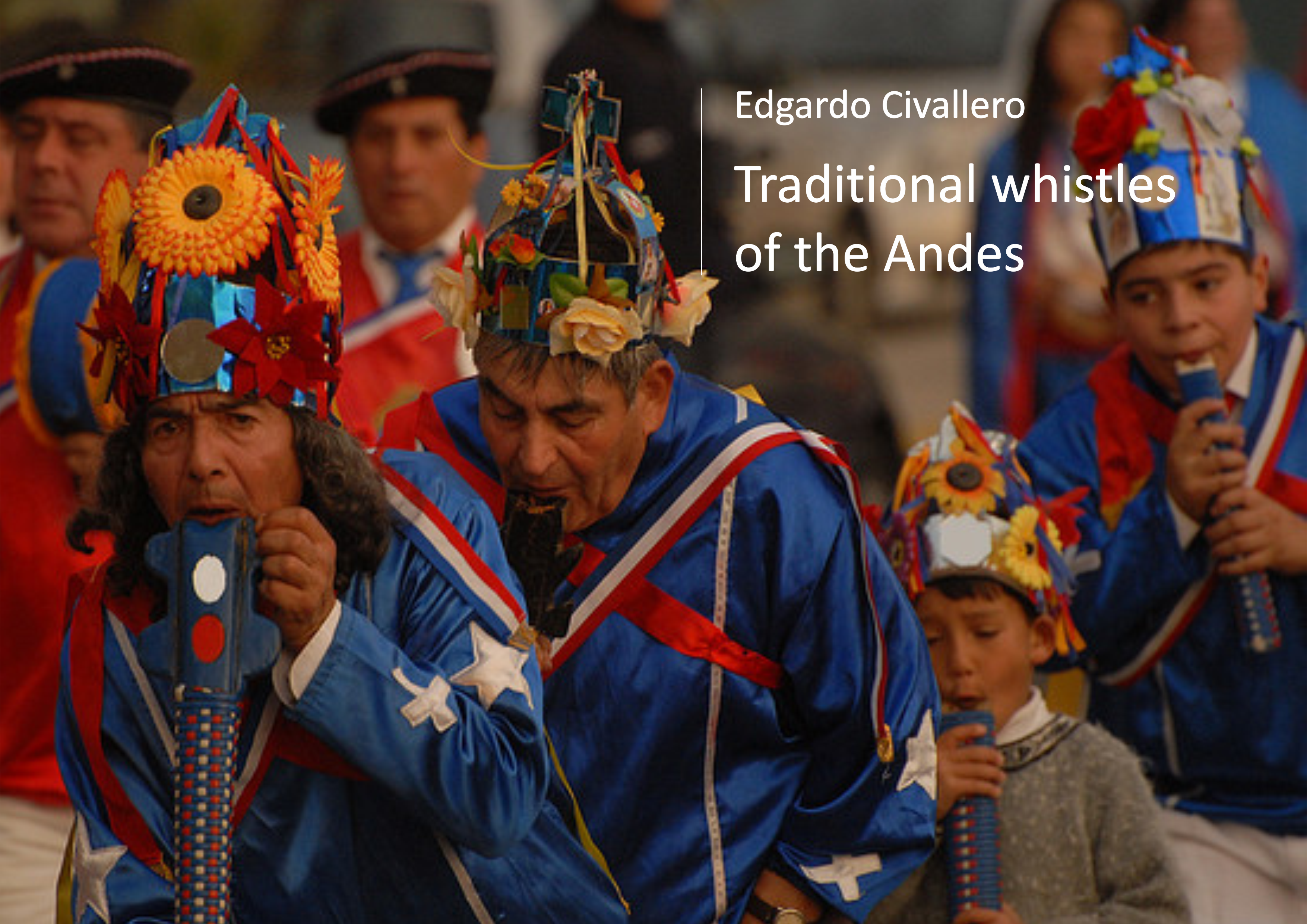
12. Traditional whistles of the Andes
An approach to a family of Andean aerophones, the longitudinal flutes, among whose members are included the flute of the baile de chinos of Chile, the pifilka of the Mapuche of Patagonia, the jant'arki of southern Bolivia and the tuquru flute of the uxusiris dance of Titicaca.
[Read].
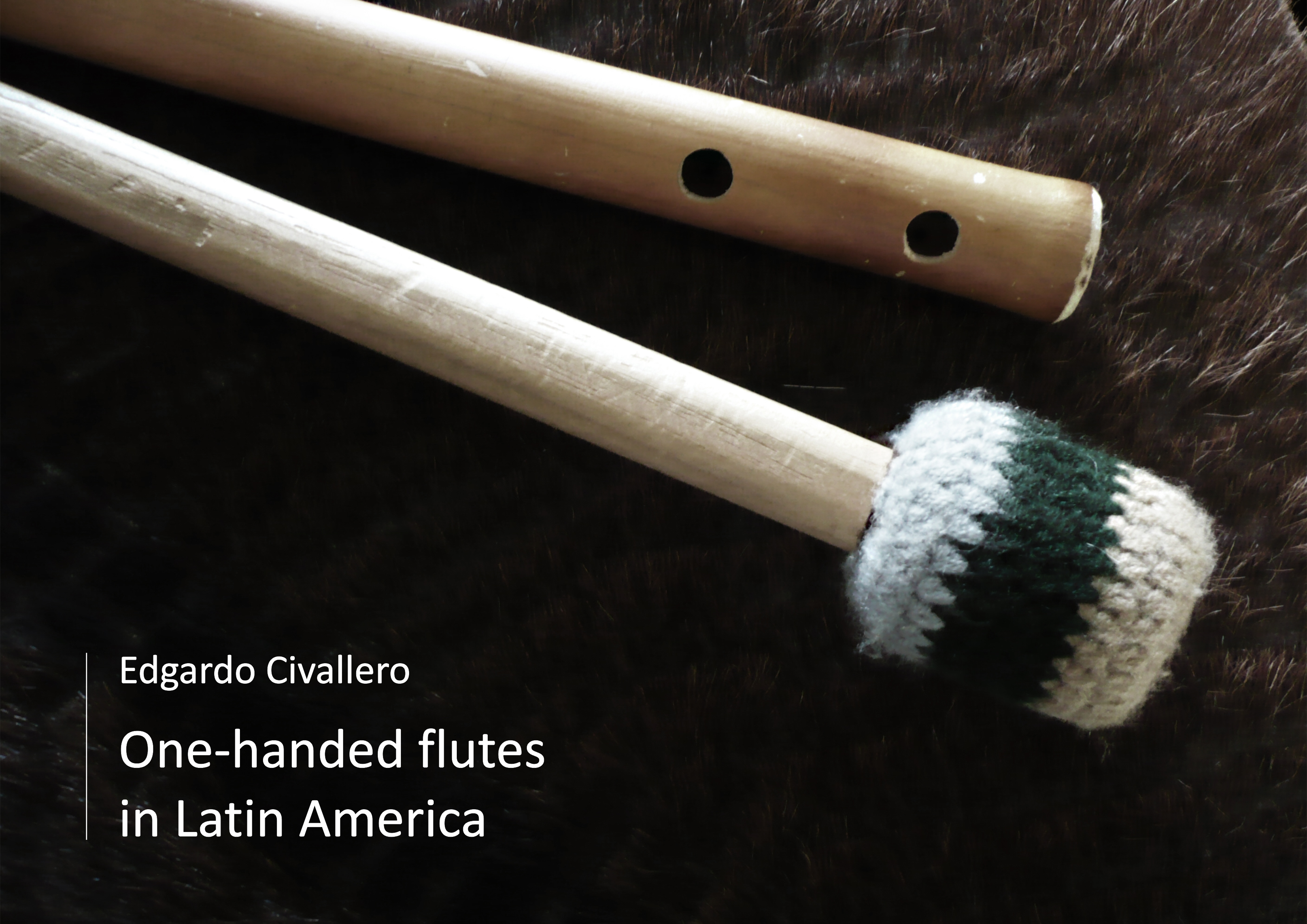
13. One-handed flutes in Latin America. Part I: Argentina, Chile, and Bolivia
A concise overview of the three-holed vertical flutes currently found in the Norte Grande region of Chile, northwestern Argentina, southeastern Bolivia, and the southern Andean highlands, in Aymara territory. It includes the flute of the Baile del Torito dance, the kamacheña, the waka-pinkillo, the liku, and the pinkillo camata, among other aerophones.
[Read].
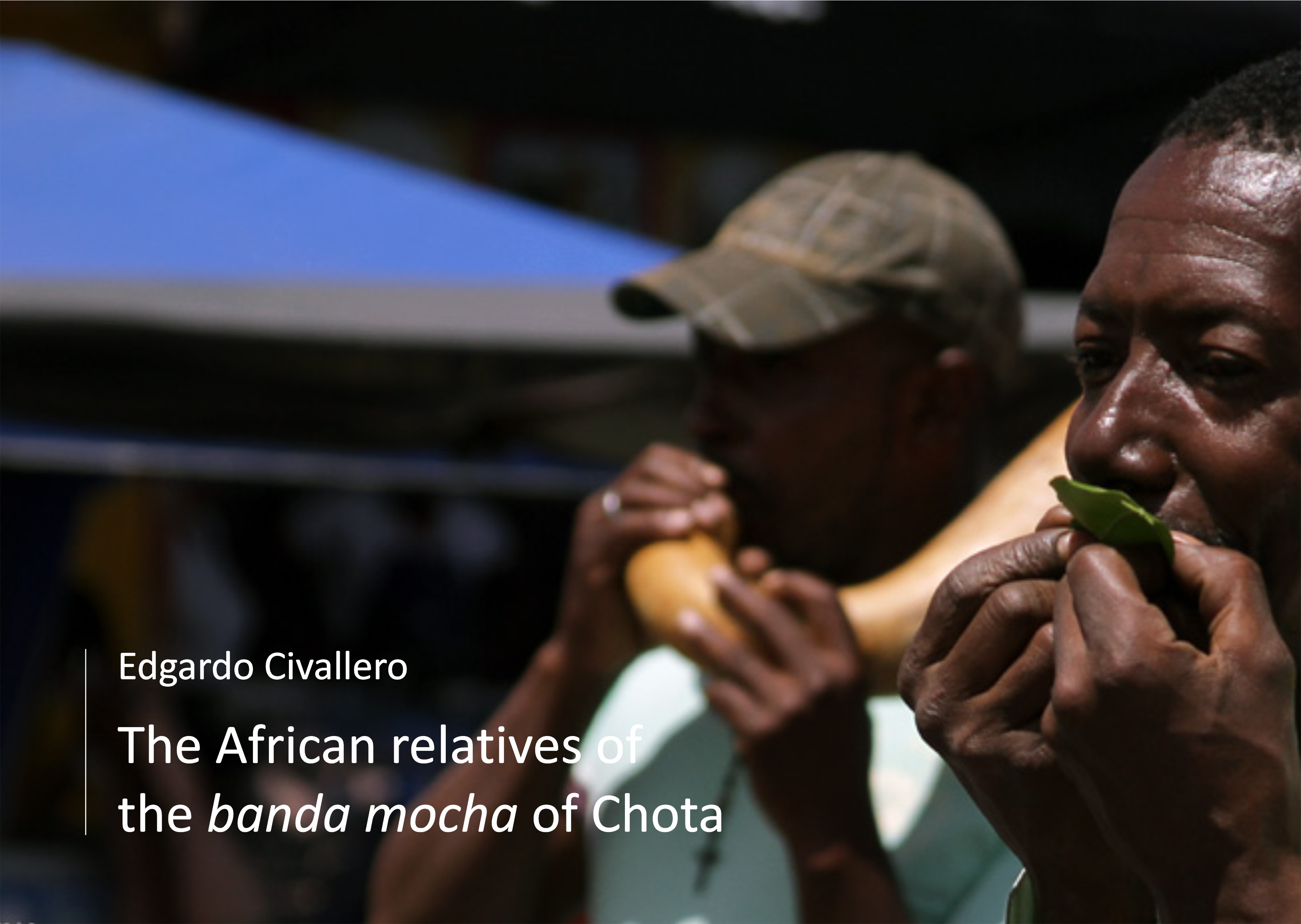
14. The African relatives of the banda mocha of Chota
A brief description of the origins and components of the Afro-Ecuadorian musical expression known as banda mocha, which originated in the Chota Valley in the Andean foothills of northern Ecuador. The use of the most characteristic instrument of this type of band — the gourd horn — is also traced to Central and East Africa.
[Read].