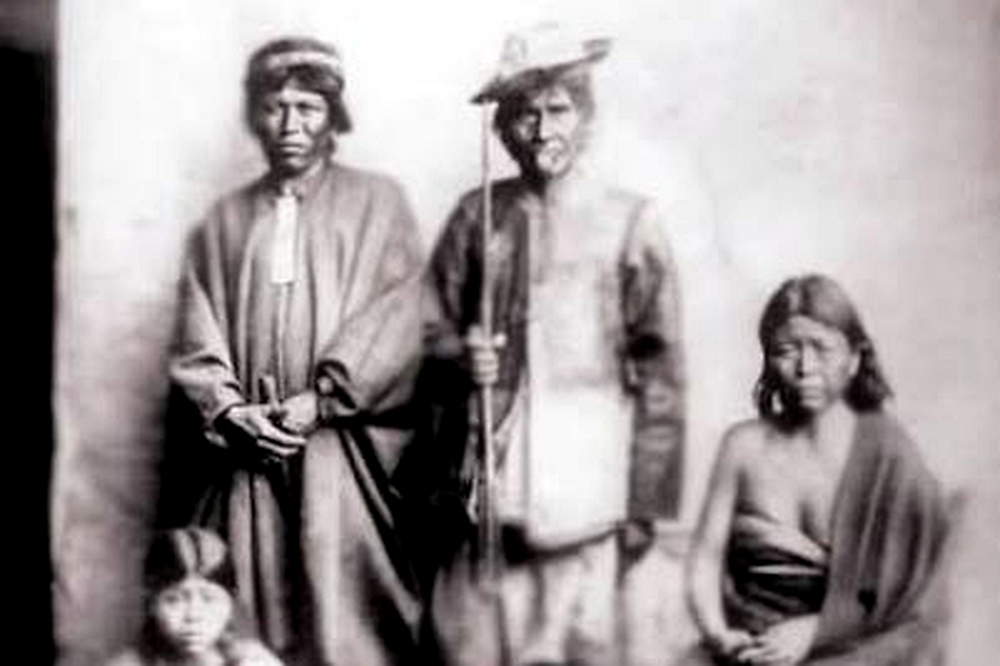
The añáchi of the Ava people
Sketch 026
Home > Blog A Musician's Log > Sketch 026
The Ava, a Guarani-speaking people of the Bolivian and Argentine lowlands, preserved a complex musical tradition shaped by Amazonian, Arawak, Andean, and colonial influences despite centuries of warfare, displacement, and missionary intervention. Closely tied to rituals such as the aréte guásu, their musical heritage includes drums, flutes, trumpets, whistles, idiophones, and the singular turumi violin, all generally handcrafted by the performers themselves and embedded in ceremonial, social, and symbolic practices linking music, dance, memory, sexuality, warfare, and relations between the living and the dead.
The añáchi is a whistle made from the bone of a stork, chicken, or deer, whose name (also spelled añánchi) means "demon." It is the exclusive property of the imbaékwa, a malevolent sorcerer who uses it as a blowgun to cast his spells.
More information about these sound artifacts can be found in the free-access digital book Musical instruments of the Ava people, accessible through the "Digital books on music. Series 1" section.